How Secure Messaging Protects Patient Communication After Hours
When a patient calls your office after hours, what happens to their message?
For many healthcare practices, the answer isn't always clear. Messages may sit in voicemail, be sent through unsecured text messages, or experience delays before reaching the on-call provider. Those communication gaps can affect patient care, response times, and HIPAA compliance.
That's why secure messaging has become an essential part of modern healthcare communication.
Why Secure Messaging Matters After Hours
Patients don't stop needing care when the office closes.
After-hours calls often involve:
Medication questions
Post-procedure concerns
Worsening symptoms
Appointment requests
Questions for the on-call provider
When these messages aren't delivered quickly and securely, providers may not receive the information they need to respond appropriately.
Secure messaging helps ensure every patient concern is documented, protected, and delivered to the right person without unnecessary delays.

What Makes Healthcare Messaging Secure?
Not all messaging systems are designed for healthcare.
A secure messaging solution should include:
Encrypted message delivery
HIPAA-compliant communication
Secure access to patient information
Message tracking and documentation
These safeguards help protect sensitive patient information while improving communication between patients, operators, and providers.
What Happens After a Patient Calls?
One question healthcare practices frequently ask is: "What happens after a patient calls my office?"
With a professional healthcare answering service, the process is designed for both speed and accuracy.
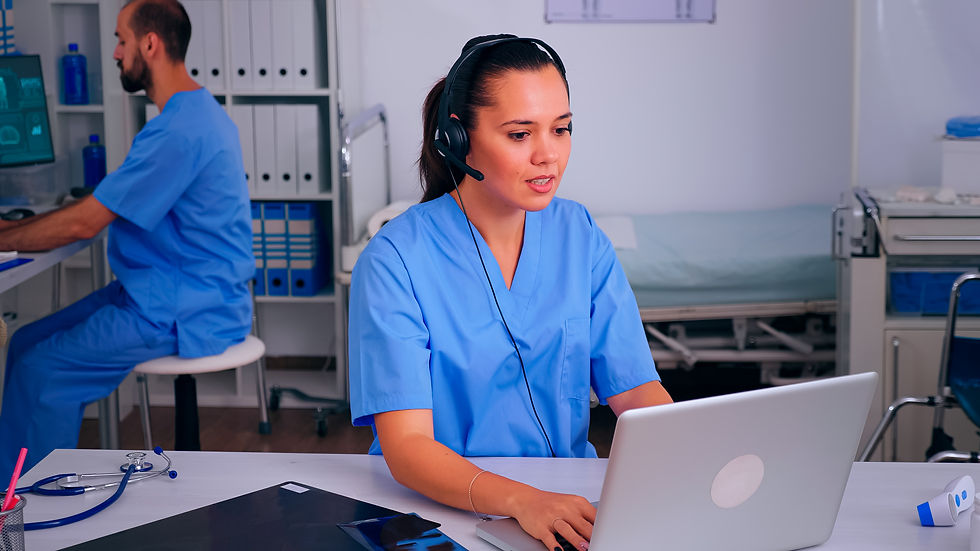
A trained operator answers the call, gathers important details, and follows your practice's customized protocols. Depending on the urgency of the situation, the message is securely routed to the appropriate provider using encrypted communication systems.
Whether the patient reports medication concerns, post-operative symptoms, or an urgent question, providers receive accurate information quickly so they can determine the appropriate next steps.
How Technology Improves Patient Communication
Modern healthcare technology does more than answer phones.
Real-time routing, structured message intake, and secure delivery work together to reduce communication gaps and improve response times. Instead of relying on voicemail or unsecured texting, practices can feel confident that important patient information reaches the right person when it matters most.
Combined with trained live operators, secure communication technology helps practices stay responsive without increasing administrative burden.
Better Communication Starts with Better Technology
Patients expect timely communication—even after office hours.
By combining secure messaging, encrypted delivery, and real-time communication technology, healthcare practices can improve patient confidence, support providers, and reduce unnecessary risk.
Want to learn more? Visit our Technology page to explore the systems behind our healthcare communication solutions, or browse our FAQ page for answers to common questions about after-hours communication, secure messaging, and medical call center services.
Because when patient communication is protected, patient care is stronger.